e-Newspaper/Archive
Agents
Contact
Be a Member
Login
Türkçe
Հայերէն
Search
Hay Toplum
Authors
Book/ԳԻՐՔ
Hrant Dink
Agos Gündem
Türkiye
Ermenistan
Dünya
Yüzler/Hikayeler
İnsan+Hakları
Bir Zamanlar
Kültür Sanat
Yaşam
Categories
Agos Gündem
Türkiye
Ermenistan
Dünya
Yüzler/Hikayeler
İnsan+Hakları
Bir Zamanlar
Kültür Sanat
Yaşam
e-Newspaper/Archive
Agents
Hay Toplum
Authors
Book/ԳԻՐՔ
Hrant Dink
Contact
Search
Türkçe
Հայերէն
☰
☰
Agos Gündem
Türkiye
Ermenistan
Dünya
Yüzler/Hikayeler
İnsan+Hakları
Bir Zamanlar
Kültür Sanat
Yaşam
Search
e-Newspaper/Archive
Agents
Hay Toplum
Authors
Book/ԳԻՐՔ
Hrant Dink
Contact
Be a Member
Login
Türkçe
Հայերէն
reports in
Special Reports
category
“Genocide can continue under the guise of ‘development'"
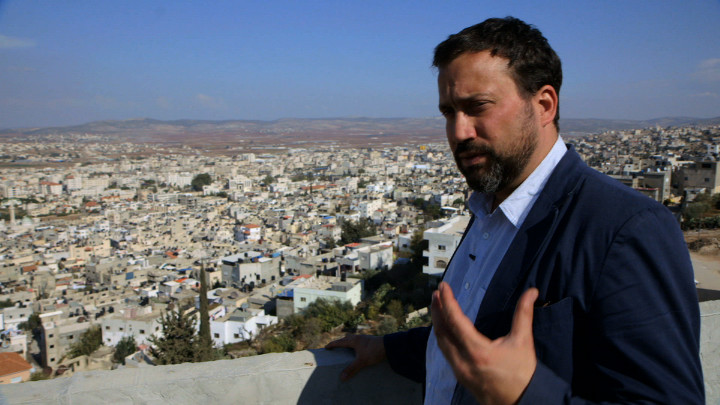
How is genocide documented? How can spatial design be used as an instrument of genocide? What is the relationship between architecture and genocide? In what ways does urban planning play a role in genocide? Eyal Weizman, an architect, has pursued these questions. He was inspired to develop the concept of “forensic architecture” by what he witnessed in the land where he was born and raised. He recently gave an eye-opening talk titled “The Architecture of Genocide” in Istanbul, based on “Forensic Architecture” reports documenting Israel’s genocide in Gaza. We met Weizman during the summit for a ceasefire in Gaza, where he issued important warnings regarding the reconstruction process.
31 October 2025
Burcu Karakaş
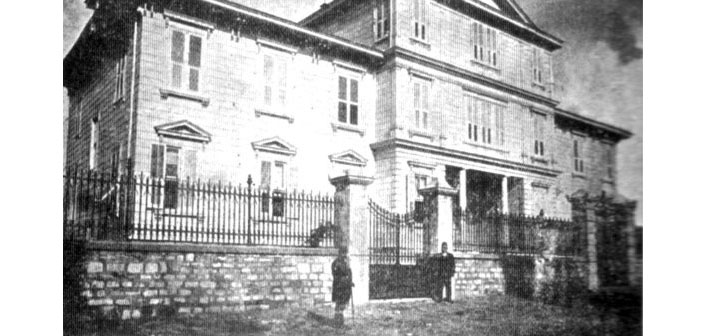
Historical Phanar Greek Orthodox College Searching for Building
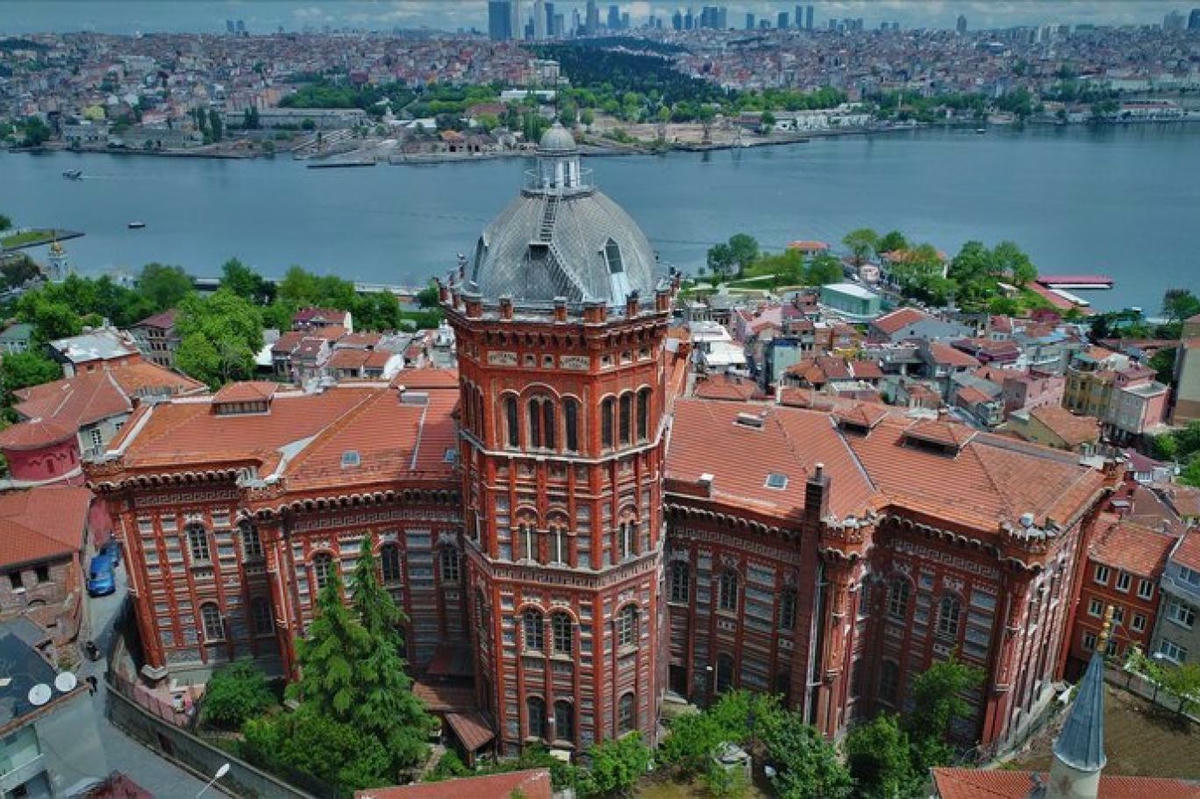
The fact that no new students were enrolled at Phanar Greek Orthodox College for the 2025-2026 academic year, had caused public repercussion. 31 students are currently receiving education at the 571-year-old school. On the other hand The Ministry of National Education announced that the building must be vacated within 90 days for reinforcement work. Principal Dimitri Zotos stated that they cannot afford the cost and are searching for a new building.
11 October 2025
İşhan Erdinç
Assessing the Signifance of the August 8 Armenia-Azerbaijan documents
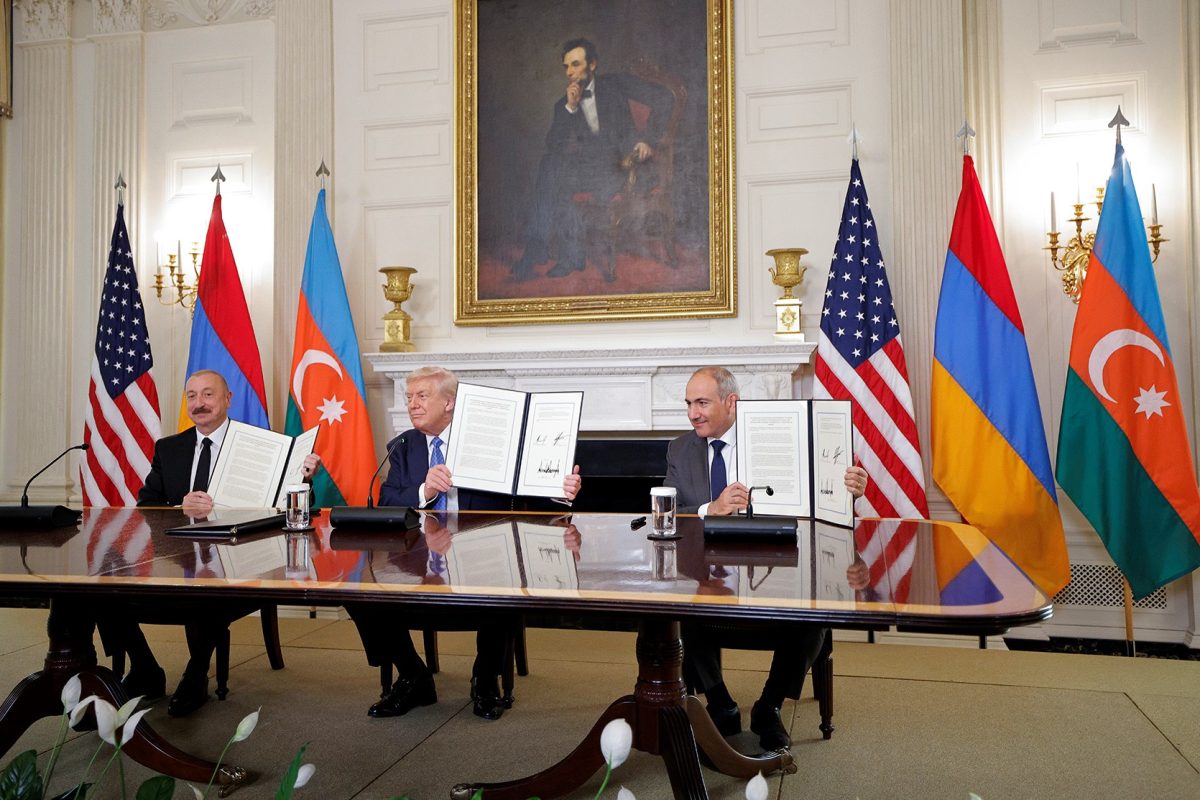
In view of the central role bilateral negotiations have played in reaching the signing of these documents, one wonders why have the two countries consented to give the credit to a third party and, for that matter to the US. The parties realize, certainly, that doing so would constitute a direct rejection of any role for Moscow. It appears that each of the two republics, Azerbaijan and Armenia, had one or more reasons to do so. For Armenia, this was the ultimate response to Russia’s failure to honor its bilateral; and multi-lateral commitments to Karabagh and Armenia beginning with the 2020 war. For Azerbaijan, it was, most probably, a combination of the need for Western acceptance of President Aliyev and his regime and Baku’s need for US support for new investments in its hydrocarbon economy.
19 August 2025
Jirair Libaridian
Daughter of Hurmüz Diril, missing for five years: Our demand for justice is an urgent necessity to be met
Şimuni Diril, a Chaldean couple believed to have disappeared in the village of Mehre in Şırnak on January 7, 2020, was found murdered by their children on March 17. Hurmüz Diril, who turns 76 today, has been missing for five years. His daughter, Gülcan Diril Üzümcü, said, "My father's age remains 71. This is murder, and my father is missing. I do not accept its normalization. As Assyrians and Chaldeans, meeting our demand for justice is not a favor, but an urgent necessity."
7 August 2025
Marta Sömek
A first in the history of the Republic: 29 graduates from a Syriac language course
The Syriac community in Turkey, which has only one kindergarten, is unable to benefit from the right to education in their mother tongue. Thanks to the initiative of Adem Coşkun, an expert on the Syriac people and president of the Turabdin Institute, the first Syriac language course in the history of the Republic was launched in March in Midyat. Coşkun, who taught 29 students over the three-month course, stated, “The Syriac people must preserve their mother tongue.”
14 July 2025
Marta Sömek
Looking at a hundred years of workers
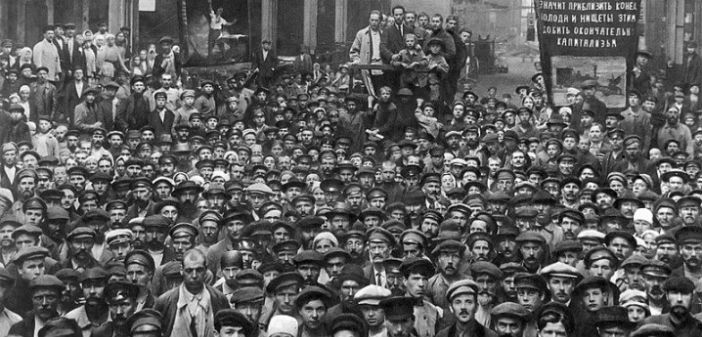
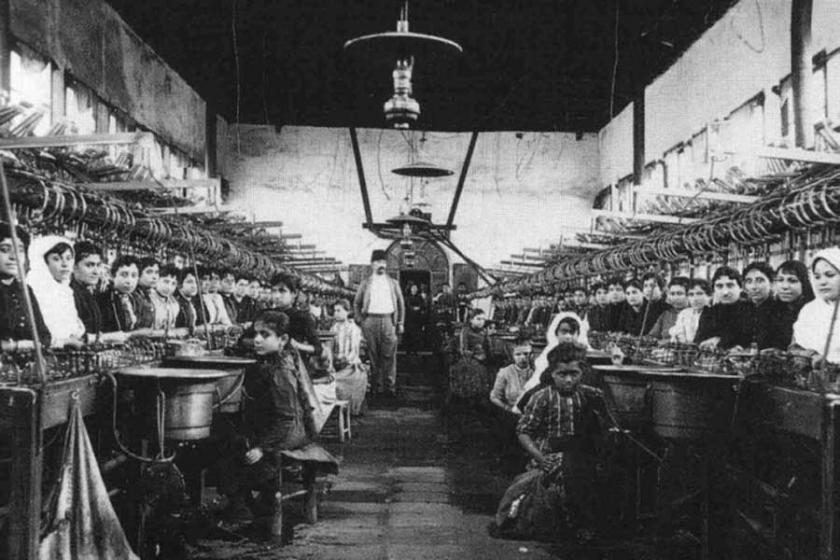
In the 19th century, as wage labour relations became widespread in different sectors, crafts, agriculture and then industry, both the capital and the working class in the Ottoman Empire, which, like every empire, was built on a class society, had a multi-communal, multi-religious and multi-lingual structure. According to Çetinkaya, there is a rupture that must be mentioned here: ‘the construction of the nation-state, the process of nationalisation and the extermination of different communities in various ways through methods such as ethnic cleansings, genocides and exchange’. This political project also meant cutting off important elements from the working class and the working class movement, and cutting the way for socialist and Marxist movements.
2 March 2025
Pınar Öğünç
The psychology that minorities are pushed to, minorities in psychology
In which year was the first graduate thesis on the Kurdish issue in psychology? You are surprised by this much: 2009. This information is from the issue titled “Azınlığın Psikolojisi, Psikolojinin Azınlığı (Psychology of the Minority, Minority of Psychology)” of Onto magazine, which has been publishing online since 2013. The issue, which consists of nine articles and an interview with the team of Psychology Kurdî magazine, is also meaningful and thought-provoking for readers outside the field. Rudi Sayat Pulatyan's article titled “Identity Perceptions of Young Armenians from Turkey and the Assassination of Hrant Dink” is based on his thesis based on her own experiences. Hiding the cross, having a “safe” Turkish name next to the Armenian name are among the lively tendencies.
22 September 2024
Pınar Öğünç
“The burden of the unspoken rests on our shoulders”
A series of events were organized as part of the 1000th week of Saturday Mothers' gathering in Galatasaray Square. One of them was the screening of a movie directed by Zelal Buldan, who was born on the day her father Savaş Buldan was killed. In the film 'About My Father: Catharsis', the director deals with her father, the silence that prevails at home due to her father's grief, and the search for ways to talk about the unspoken with her mother Pervin Buldan.
10 June 2024
Varduhi Balyan
Losing the homeland once again
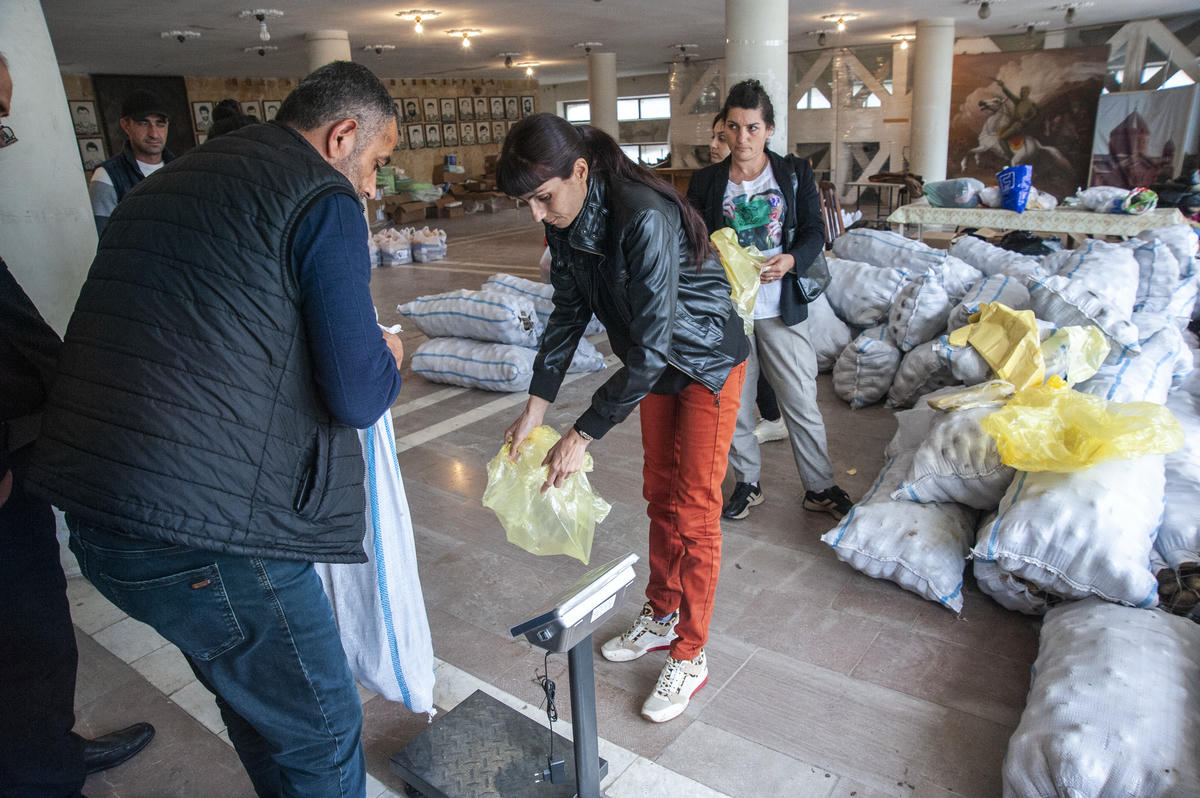
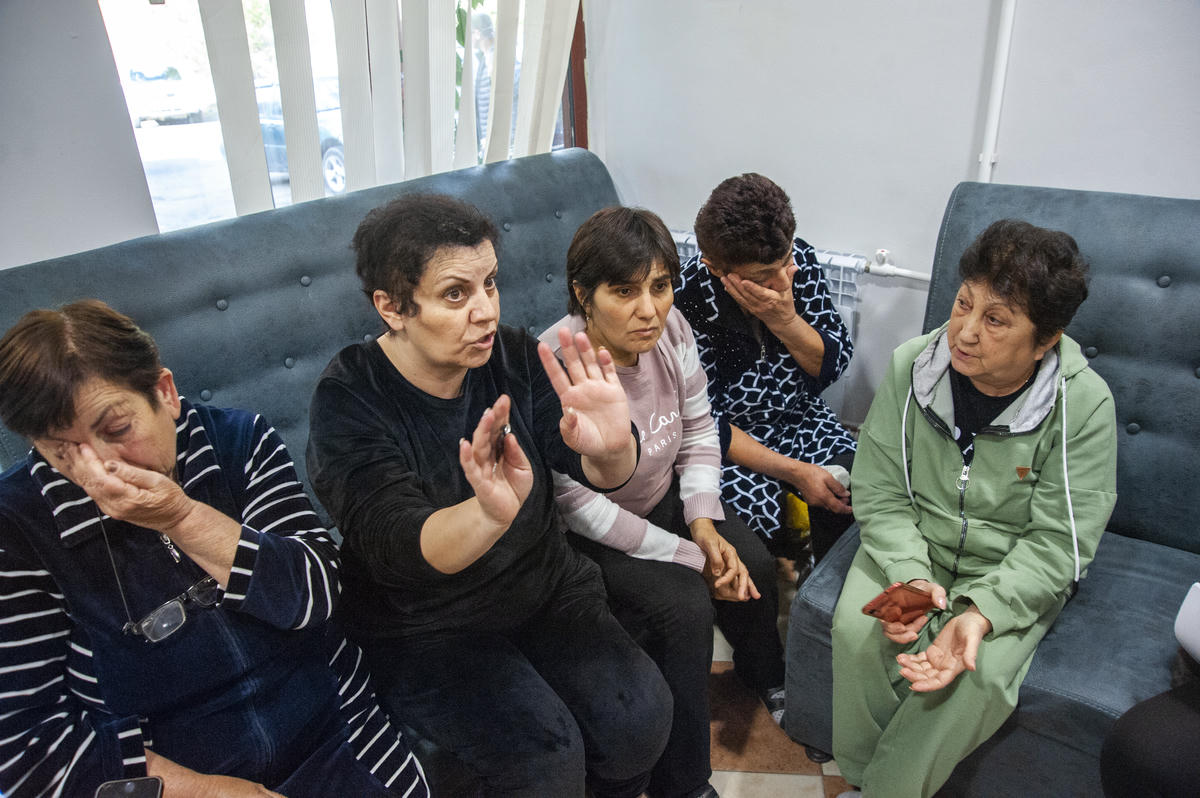
On September 19, Azerbaijan launched a military operation against Nagorno-Karabakh. A ceasefire was reached on September 20 as the Nagorno-Karabakh (Republic of Artsakh) administration accepted the conditions. Right after the ceasefire, Karabakh Armenians took refuge in Armenia. After the war that followed the 9-month blockade imposed by Azerbaijan on Nagorno-Karabakh, 100 thousand ethnic Armenians had to leave their homes and took refuge in Armenia along with only a few belongings. Some of the displaced Karabakh (Artsakh) Armenians had a place to go in Armenia. However, a significant portion of them found themselves homeless and without a future. Pakrat Estukyan and Berge Arabian from Agos, travelled throughout Armenia in a one-week journalistic trip, meeting with displaced persons and non-governmental organisations. Agos will publish Estukyan's impressions and Arabian's photos as a series of articles. This week's coverage features interviews and impressions from the third day of the trip to Armenia.
11 November 2023
Pakrat Estukyan
War is over, peace still far away
On September 19, Azerbaijan launched a military operation against Nagorno-Karabakh. A ceasefire was reached on September 20 as the Nagorno-Karabakh (Republic of Artsakh) administration accepted the conditions. Right after the ceasefire, Karabakh Armenians took refuge in Armenia. After the war that followed the 9-month blockade imposed by Azerbaijan on Nagorno-Karabakh, 100 thousand ethnic Armenians had to leave their homes and took refuge in Armenia along with only a few belongings. Some of the displaced Karabakh (Artsakh) Armenians had a place to go in Armenia. However, a significant portion of them found themselves homeless and without a future. Pakrat Estukyan and Berge Arabian from Agos, travelled throughout Armenia in a one-week journalistic trip, meeting with displaced persons and non-governmental organisations. Agos will publish Estukyan's impressions and Arabian's photos as a series of articles. This week's coverage features interviews and impressions from the last day of the trip to Armenia.
11 November 2023
Pakrat Estukyan
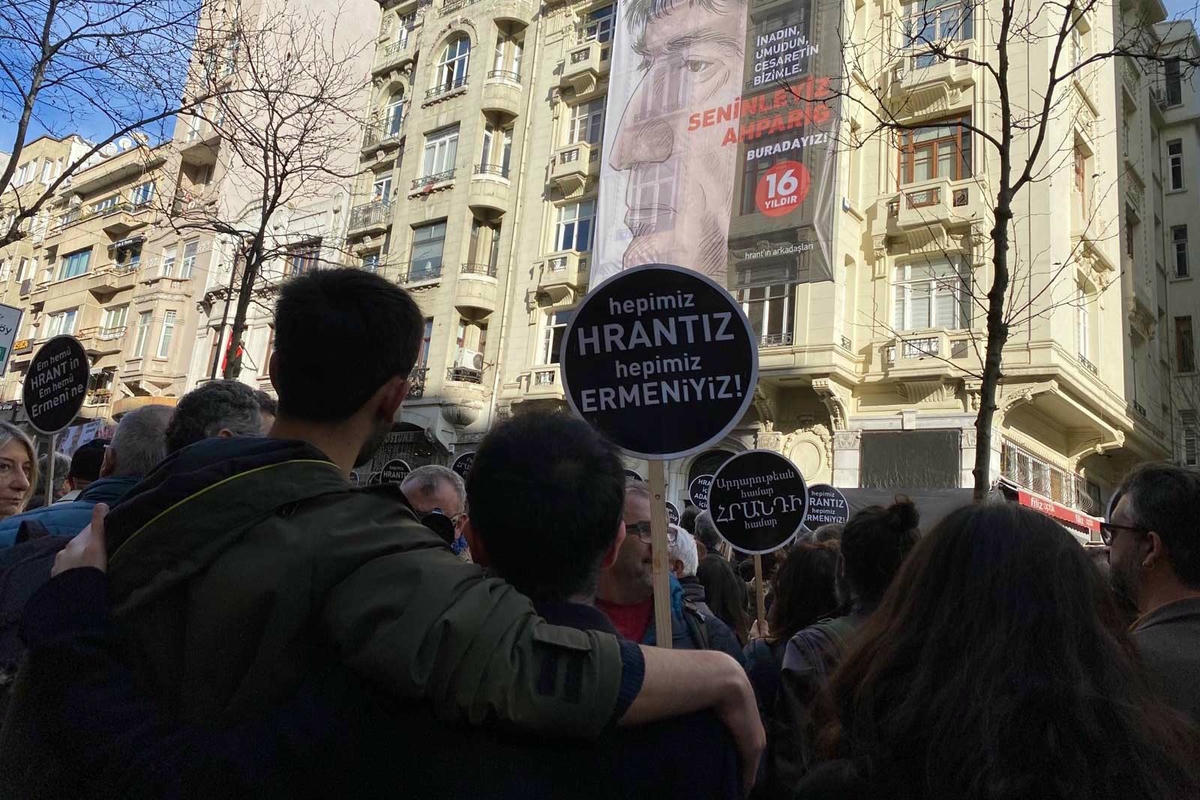
Public Commemorations of the Armenian Genocide in İstanbul: A light of hope?
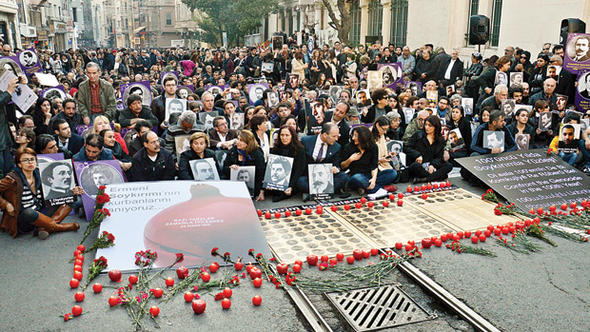
In the early 2000s, the Armenian Genocide was commemorated publicly in Turkey. Today, it is not. Remembering changes those who remember. Drawing on archival research and interviews with people who participated in and even initiated such commemorations, I ask about the origins of such activism, what it represented, what happened, and what might come next. I then offer recommendations, in hope of deepening and making my own contribution to memory activism in Turkey.
19 October 2023
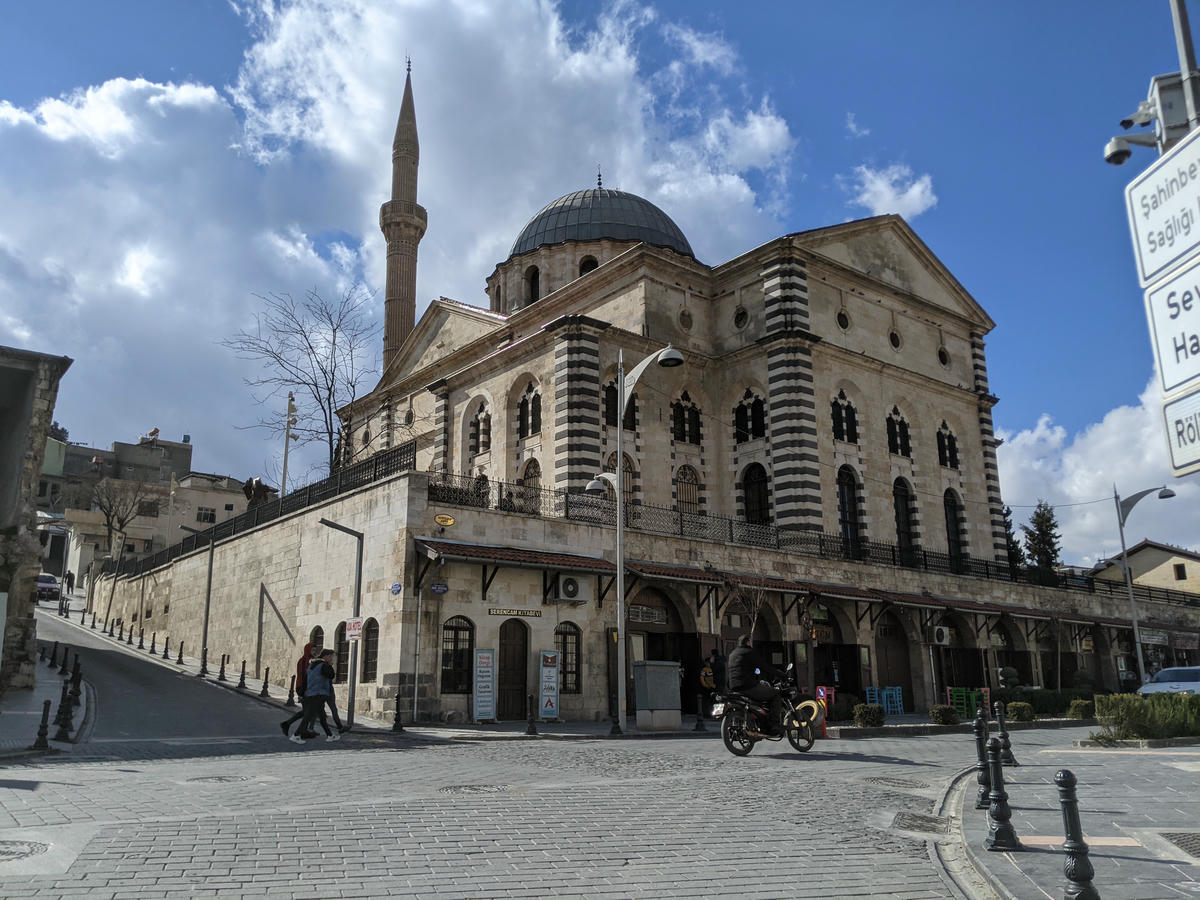
Sourp Asdvadzadzin as Cathedral, Prison and Mosque in Aintab
Tamar Gürciyan successfully defended her thesis entitled "An Investigation to the Adaptive Reuse of Late Ottoman Armenian church in Aintab, Surp Asdvadzadzin church/Liberty Mosque" at the Technical University of Berlin. With this thesis, Gürciyan carried out a comprehensive study on the transformation of the Surp Asdvadzadzin Church in Antep. Parrhesia Collective had an interview with Tamar Gürciyan about her thesis.
12 September 2023
Speaking ineffable
Academics Erol Köroğlu has authored an article, entitled “Speaking ineffable”, in the news portal Artı Gerçek about evil, talking about evil in which he puts the Armenian Genocide and the treatment of Armenians in the Ottoman Empire and Turkey as the context of his discussion.
31 October 2022
Ferlinghetti’s legacy: the freedom outside echo chambers
Echo chambers are bad for democracy and public health. This is precisely where the legacy of the late poet and artist Lawrence Ferlinghetti offers hope for Turkey and the world to open up echo chambers and build genuine democracies.
11 May 2021
Herkan: Remembering the power of indigeneity
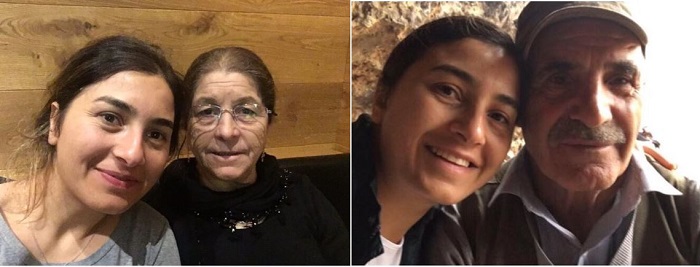
Herkan. She had one of those special names I had never heard before... It must be one of those old Armenian names, like the ones which I had only come across in the mid-19th century archival documents. She was the mother of four children and my admiration of her started when I got to know her one and only daughter. I had first met her daughter more than 25 years ago, when I was 16 and she was 48. We lost tracks of each other until reconnecting recently all these years later. I had not remembered her name, I had not remembered where I first met her, but I remembered how much I loved her. A heart full of love, which she inherited from her mother Fatma-Herkan. Now on the occasion of the 8th of March, I write to bring Herkan’s legacy into the present, as it whispers a long-lost song into our ears, one that we all recognize.
22 March 2021
Letter from a Harput (Kharpert) Armenian to Mustafa Kemal Atatürk
Hüsnü Gürbey and Mahsuni Gül discovered an intriguing document that has been lying in the state archives for 83 years. It is of a letter written by B.G. Karapetyan, an Armenian from Harput (Kharpert), to Atatürk towards the end of 1937. In this letter, Karapetyan outlines the events that were inflicted on the Armenians from 1909 to 1915, providing an analysis of these events. He also proposes a new system for Turkey that would respond to the peoples’ demands for freedom.
22 March 2021
Chora/Kariye: From the land of the living to dystopia
Byzantine Art Historian Dr. Anestis Vasilakeris comments on the timeless messages carried to the present by the narratives depicted in the mosaics and frescoes of the church of Chora Monastery in Istanbul.
7 September 2020
Armenian Artists report from quarantine: Intensifying Anxiety, Fading Hope
In these forsaken days of the Corona Virus, Art in its physical sense of exhibitions, events, screenings, performances, publications and so forth, has become almost a rarity. Yes, a great number of artists have been active by channeling their creative side through the internet but the essential live interaction between the artist and the audience is almost none. Every one is in the same situation of isolation and quarantine. We at Agos felt that there is a common ground here regarding the artistic well-being and day-to-day creative life of artists in general during this long and absurd period staged by a deadly virus. So, we asked Armenian artists living in many different countries how isolation has effected their creative process, focus and inspiration regarding their art…and how do they envision the future of their art and creativity once the quarantine days come to an end? We asked them to write back for our readers to know their thoughts and reflections. Berge Arabian
17 May 2020
Berge Arabian
Siruni: The Witness to the Great Calamity
At the end of the war, when the Ottoman Empire was defeated and the Ittihadist leaders escaped to Germany, Siruni came out of his hiding, and with few surviving intellectuals tried to re-establish a community that was mortally wounded.
24 April 2020
Vicken Cheterian
History, Memory, and the Future
In both the United States and Turkey, the current governments and the social systems they protect discriminate against whole parts of the population. Their victims may be the socially disadvantaged or distinct ethnic and religious peoples. Imagine a country where the poor and members of ethnic minorities die more often from the coronavirus than the well-to-do and those favored by the state.
24 April 2020
Ronald Grigor Suny
Subscribe!
You can support Agos by subscribing. Subscribe, gift a subscription, leave a suspended subscription.
Lessons of October
3 November 2017
Ronald Grigor Suny
China as Refuge for Armenian Genocide Survivors*
28 July 2017
Khatchig Mouradian
Story of academics who stay to resist
The state of emergency declared after the coup attempt on July 15 resulted in a purge in universities that has never been seen before in Turkey's recent history. The emergency decrees have been used for dismissing both experienced academics who carried out many researches in universities and young academics whose careers had just begun. However, despite everything that happened, some academics hold on to their profession, which they define as “reason for being”. In this regard, Kocaeli Solidarity Academy is a precursor and guiding initiative. Having completed its first term of “alternative education”, it has also the purpose of establishing an open and free school of life for people with a new two-tear program.
17 May 2017
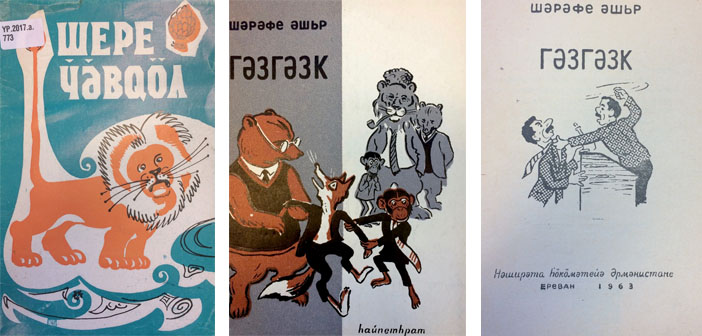
Tracing the children's books that raised “Armenia of Kurds”
Asia and Africa collection of British Library in London offers books that tell a story of Kurdish language and culture that is not widely known. More than hundred works in Kurdish, especially children's books, that were published in Soviet Armenia in Cyrillic, Armenian and Latin alphabets have come to light again thanks to cataloging efforts of Michael Erdman, library's curator of Turkish and Turkic languages.
12 May 2017
Fatih Gökhan Diler
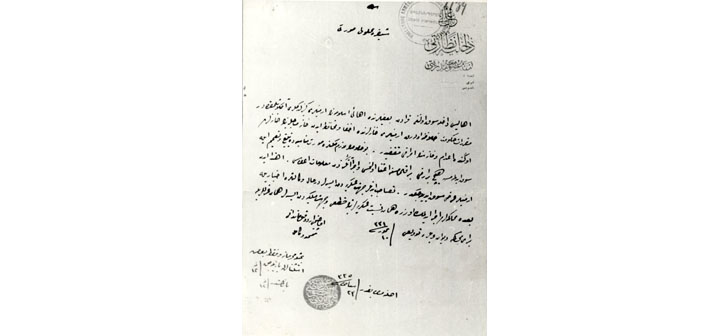
“The houses of the ones who hide Armenians will be burned and they will be executed”
Historian Taner Akçam reveals another document of critical importance. In the telegram sent by III. Army Commander Mahmut Kamil Paşa to the regions from where Armenians had been deported, it was stated that the houses of the ones who hide Armenians will be burned.
3 May 2017
Taner Akçam
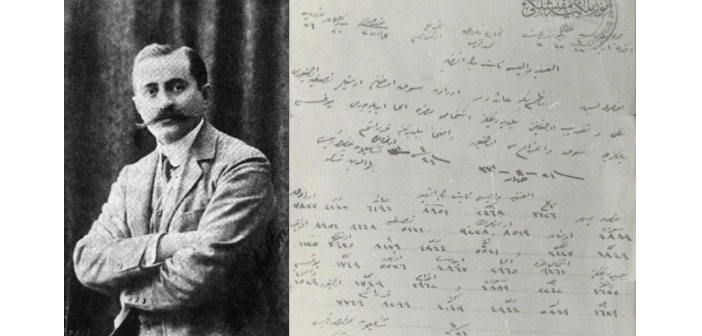
Deciphered telegram reveals the genocide
Historian Taner Akçam decpihred the telegram by executive of Teşikilat-ı Mahsusa (Secret Organization) and Commitee of Union and Progress Bahaettin Şakir dated July 4, 1915. The telegram is about coordination of deportation and annihilation of Armenians. The letterhead on the telegram proves that it is indeed original.
26 April 2017
Taner Akçam
Love stories from Baron Seropyan: Aşiq û Maşûq
Showing that this land is not only a source of tensions and massacres, but also nurtures unforgettable love stories, “Aşiq û Maşûq – Kurdish-Armenian love stories from Armenian sources” brings three unforgettable tales which are part of oral history and handed down from generation to generation. The common ground of these tales is not only impossible loves; they also voice Anatolia, Mesopotamia and all unique Dersim and reveal the life of Armenian and Kurdish peoples.
7 April 2017
Karin Karakaşlı
“Bringing people closer is the foundation of humanistic photography”
German Avagyan is a photographer who participated in joint Armenia-Turkey exhibitions before it was a trend and has always used his camera for documenting the difficult issues that became a wound for the society. In this regard, interviewing him is precious, not only in terms of photography but also in terms of understanding how photography can really change people's lives. We introduce this artist concerned with many issues like poverty, disability and war to our readers.
15 March 2017
Berge Arabian
Crises in Armenian Patriarchate in 19th century Ottoman Empire
Crisis in the patriarchate is not new for the Armenian society of Turkey. During 19th century, many patriarchs had been forced to resign. We talked to Richard Edward Antaramian, faculty member at University of Southern California Contemporary Armenian Studies, about these crises in 19th century.
8 March 2017
Rupen Varjabedyan
“Ateşyan should clear the way for the election”
What does Armenian society think about the crisis in the patriarchal election?
24 February 2017
May bees without borders set an example to people
The documentary titled “Bees without Borders”, which was shot in the villages along Turkish-Armenian border, tells the story of beekeeping activities on the both sides of the border. The difficulties that these people on different sides of the border experience are almost the same and they all dream about opening of the border. Coşkun Aral, Müge Aral and Batuhan Tunçer tells about the document.
7 February 2017
Varduhi Balyan
Fellows knowing and introducing Turkey by producing
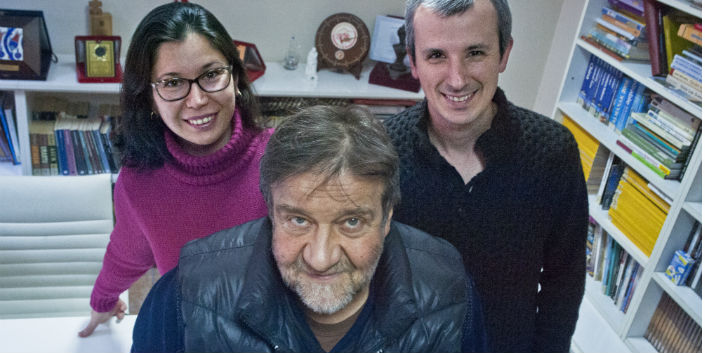
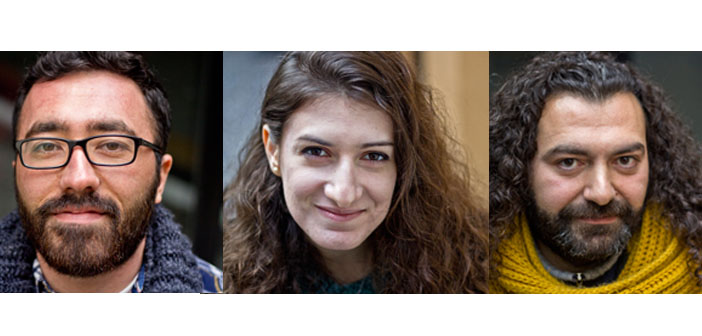
Hrant Dink Foundation's Turkey-Armenia fellowship program sponsored by the EU encourages the professionals from the neighboring country to form cross-border cooperation networks since 2014. Armen Ohanyan (Hayastantsi), Maria Yeghiazaryan and Artsrun Pivazyan, who came to neighboring Turkey for new experiences thanks to the fellowship program, shared their experiences.
3 January 2017
Varduhi Balyan
1
2
3



 (Houshamadyan arşivi).jpg)